


By RBM
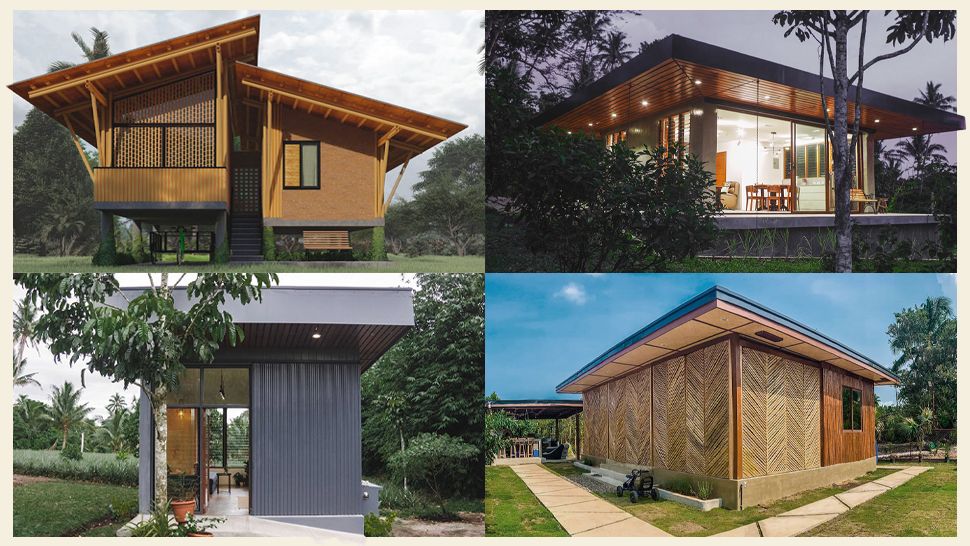
Manila, Philippines — The Philippine construction industry is witnessing a noticeable shift in 2025, as more Filipino families are choosing to leave the crowded and noisy streets of Metro Manila in favor of building more spacious, eco-friendly homes in quieter, greener areas.
Driven by growing concerns over climate change, urban pollution, and limited space in the metro, many homeowners are now embracing sustainable living. One of the most notable trends? Constructing houses using recycled materials and green building practices.

Sustainability at the Forefront
With increasing awareness of environmental issues, Filipinos are adopting innovative ways to build homes that are not only functional and cost-efficient but also minimize their carbon footprint. Recycled wood, steel, and even plastic bottles are being used in construction, while solar panels and rainwater harvesting systems are becoming common features in new homes.
Escaping the Urban Chaos
Aside from environmental concerns, many are choosing to settle in suburban or rural areas to escape Metro Manila’s infamous traffic, noise, and pollution. Provinces like Rizal, Laguna, Cavite, and Batangas are becoming hotspots for new residential developments that offer both peace and proximity to essential services.
Families cite health, mental well-being, and the desire for more personal space as top reasons for moving out of the city.
What to Consider When Building Your Own Green, Spacious Home
If you’re planning to join the growing number of Filipinos making the shift, here are key factors to keep in mind:

Accessibility – Choose a location that is peaceful but still within reach of schools, hospitals, and marketplaces.
Space Planning – Design open and flexible layouts that promote airflow, natural lighting, and multipurpose spaces.
Eco-Friendly Materials – Use locally sourced or recycled construction materials to reduce costs and environmental impact.
Energy Efficiency – Install solar panels, LED lighting, and proper insulation to save on energy bills.
Green Spaces – Allocate areas for gardens, trees, or vertical plants to help lower indoor temperatures and boost mental wellness.
A Growing Movement
This homebuilding trend reflects a broader cultural shift in the Philippines — one that prioritizes sustainable living, wellness, and resilience against climate-related risks.
As climate change continues to impact communities worldwide, the Filipino people’s creative and eco-conscious approach to housing could pave the way for a more sustainable future — not just for individuals, but for the nation as a whole. ##
COVER PHOTO CREDIT TO: REALLIVING.COM.PH
Discover more from Rexpress Balita
Subscribe to get the latest posts sent to your email.










Leave a Reply